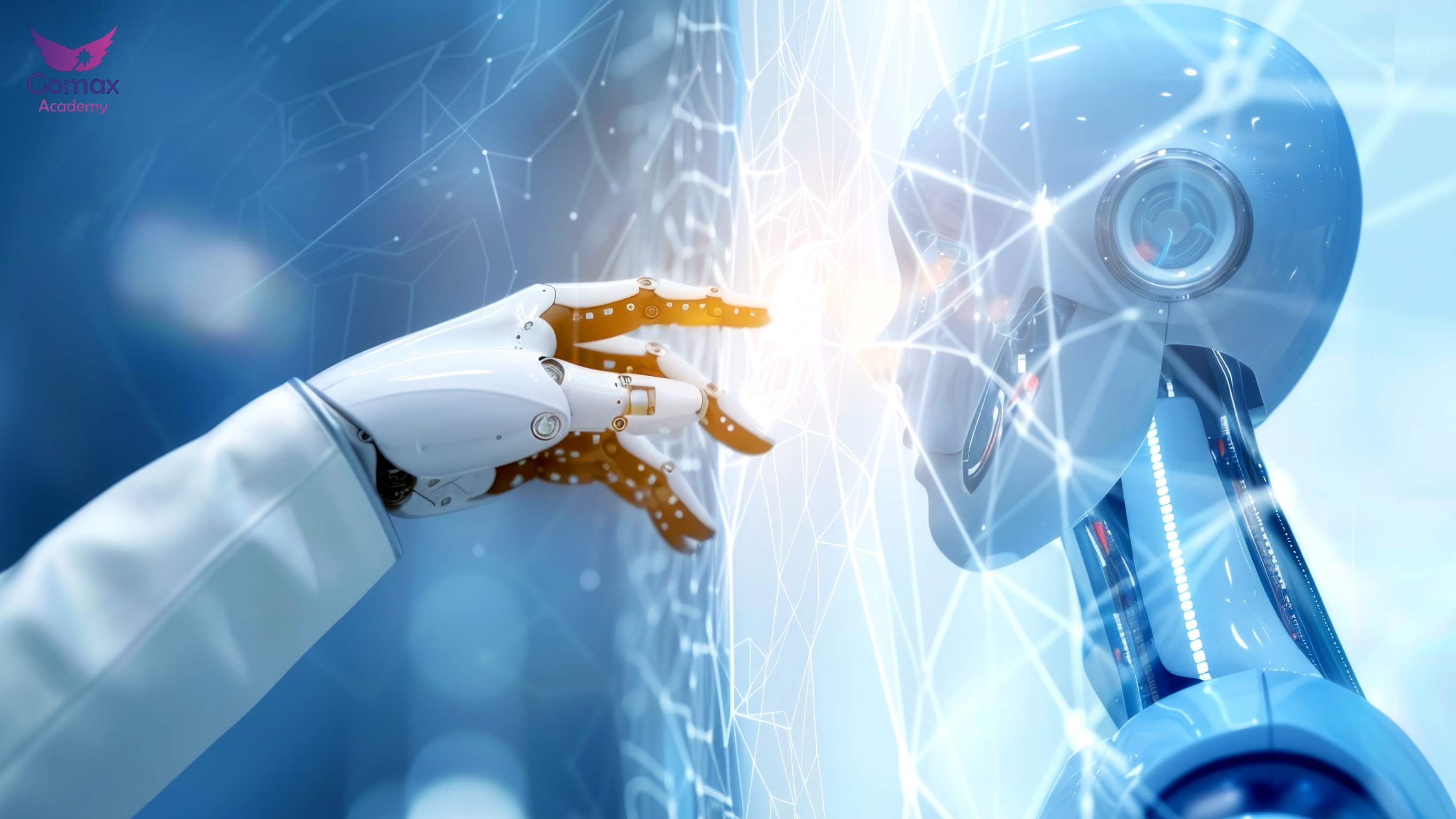
How AI Is Shaping the Future of Medicine
How AI Is Changing the Medical Field: A New Era of Healthcare
Over the last few years, Artificial Intelligence (AI) has started reshaping the way we look at healthcare. From helping doctors diagnose diseases faster to predicting patient outcomes and even assisting in complex surgeries, AI is quietly but powerfully transforming the medical field.
Healthcare is no longer just about treating illnesses — it’s about prevention, personalization, and precision, and AI is leading this change. Let’s explore how AI is revolutionizing the medical world and what it means for doctors, nurses, and patients.
1. Smarter and Faster Diagnosis
Traditionally, diagnosing a disease required multiple tests, reports, and consultations. But with AI, doctors now have smarter tools that can analyze medical images, patient histories, and lab reports in seconds.
AI-powered systems are already detecting tumors, fractures, and heart diseases at very early stages.
In radiology, AI can scan X-rays, MRIs, and CT scans faster than ever before — sometimes spotting what the human eye might miss.
This means fewer misdiagnoses and faster treatments, saving both time and lives.
2. Personalized Treatment for Every Patient
Not every patient responds the same way to a treatment. This is where AI steps in.
By studying patient data — including genetics, lifestyle, and medical history — AI helps doctors create personalized treatment plans.
In cancer treatment, for example, AI can suggest the most effective drug combinations based on the tumor’s genetic profile.
The result? Better recovery rates and fewer side effects.
3. Virtual Health Assistants and 24/7 Support
Gone are the days when patients had to wait hours for basic queries. AI-powered virtual assistants and chatbots are making healthcare more accessible:
Patients can book appointments, get reminders, and even receive basic health guidance instantly.
During the COVID-19 pandemic, AI-driven chatbots helped millions assess symptoms and get the right advice without visiting hospitals.
This not only improves patient experience but also reduces the burden on doctors and hospital staff.
4. Accelerating Drug Discovery
Developing a new drug traditionally takes years of testing and research, but AI is changing that:
AI can analyze millions of chemical compounds and predict how they interact with the human body.
Pharmaceutical companies now use AI to identify potential treatments and develop vaccines faster.
In fact, AI played a key role in COVID-19 vaccine development, cutting research timelines significantly.
5. AI-Powered Surgeries
AI is also stepping into the operating room. Robotic surgical systems guided by AI are helping doctors perform minimally invasive surgeries with incredible accuracy.
These systems assist surgeons by providing real-time data and improving decision-making during operations.
This leads to smaller cuts, less pain, quicker recovery, and better results for patients.
Complex procedures like heart surgeries and organ transplants are becoming safer with AI’s support.
6. Predicting Diseases Before They Happen
AI doesn’t just treat — it prevents.
By studying patient data, wearable devices, and lifestyle habits, AI can predict potential health risks early.
For example, smartwatches now track heart rate, oxygen levels, and sleep cycles, alerting users about possible health concerns.
Hospitals also use AI to forecast disease outbreaks and prepare better for emergencies.
7. Simplifying Hospital Management
AI isn’t just helping patients — it’s also making healthcare management smoother:
Automating billing, patient records, and insurance claims saves both time and manpower.
Hospitals can focus more on patient care instead of paperwork, improving efficiency and reducing costs.
Challenges We Still Face
While AI is transforming healthcare, there are a few concerns we need to address:
Data privacy — Protecting sensitive patient information is critical.
Bias in AI systems — If AI isn’t trained on diverse data, errors can occur.
Human involvement — AI is a powerful assistant, but doctors’ expertise remains irreplaceable.
The Future of AI in Medicine
AI isn’t here to replace doctors — it’s here to empower them. The future of healthcare will be about:
Early detection of diseases.
Personalized treatments tailored to each patient.
Faster drug discovery and vaccine development.
Smarter virtual healthcare systems accessible to everyone.
With AI, we’re moving toward a world where healthcare becomes more predictive than reactive — focusing on preventing illnesses before they become life-threatening.
Final Thoughts
The impact of AI on the medical field is undeniable. It’s making healthcare smarter, faster, and more efficient — from diagnosis to treatment and beyond. While challenges exist, the potential benefits are too significant to ignore.
As AI continues to evolve, the combination of human expertise and machine intelligence will redefine how we approach health and wellness — creating a future where better care is available for everyone.